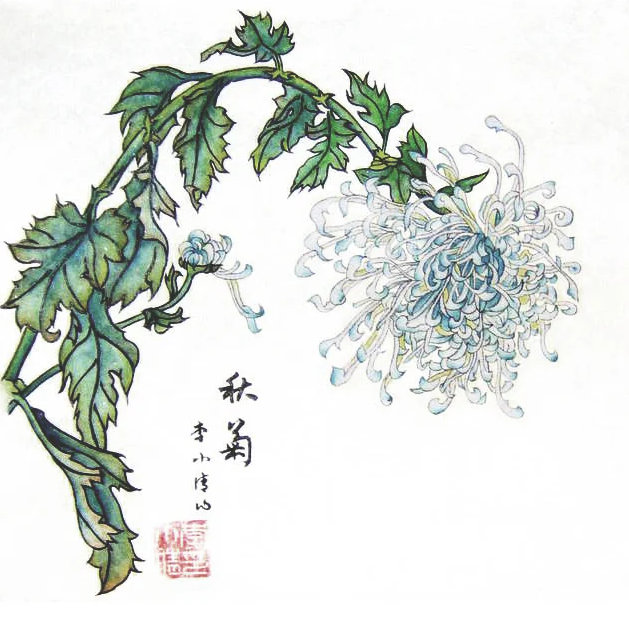
تُعرف اللوحة الصينية التقليدية (الصينية 中国画 ) بأنها الفن التشكيلي التقليدي الممارس في الصين منذ أكثر من ألف عام. تنبع جذورها من فكر أصلي أقدم بكثير، يركز على وحدة الإنسان والكون، وعلى الدينامية المستمرة لهذا الكون ذاته. فبالإضافة إلى تمثيل الشكل، تسعى اللوحة الصينية إلى التعبير عن الروح (مبدأ الحياة) والحركة الداخلية للأشياء.
عادةً، تتكون اللوحة الصينية من قصيدة أو أكثر (الصينية 诗 )، وخط (الصينية 书法 )، وصورة مرسومة، وختم الفنان (الصينية 印章 ). ومن الضروري التمييز بين الأساليب المختلفة:
- اللوحة الصينية قونغبي (الصينية 工笔، ) وتعني حرفياً "الفرشاة الماهرة" أو "الفرشاة الدقيقة"، وتتميز بالدقة والاهتمام بالتفاصيل.
- اللوحة الصينية بايماو (الصينية 白描، ) وتعني حرفياً "الرسم بالخطوط"، وهي تعتمد على الخطوط السوداء فقط، وترتبط بالقونغبي.
- اللوحة الصينية موغو (الصينية 没骨، ) وتعني حرفياً "بدون عظام"، تشبه القونغبي لكنها لا تعتمد على الخطوط الخارجية.
- اللوحة الصينية شيعي (الصينية 写意، ) وتعني حرفياً "الكتابة عن الفكرة"، وتتميز بخطوط جريئة وتعتمد أساساً على مبدأ التدرجات.
- اللوحة الصينية 水墨 (الصينية ، وتعني "الحبر والماء") هي أسلوب من أسلوب الشيعي، لكنها لا تستخدم سوى الحبر الأسود وتتدرج ألوانه.
- وغيرها الكثير من الأساليب التي تعدّ في الغالب تباينات للأساليب المذكورة.
الهدف من اللوحة الصينية هو خلق عمل فني بلمسة بسيطة يحمل معنى يلامس اللانهاية. ففي الفكر الصيني التقليدي، يتكون الكون من تيارات (الصينية 气 ) ذات كثافات مختلفة ودائمة الحركة، وهي مصدر الحياة ذاته. إعادة خلق هذه التيارات في صورة يمنحها الحياة ويؤسس رابطاً مباشراً بين الكون واللوحة والإنسان. لذا، فإن فعل الرسم أو contemplation للوحة يسمح باستعادة الوحدة، التي غالبا ما تضيع، مع الكون. من هنا، تُعتبر اللوحة الصينية أكثر من مجرد عمل فني، بل هي أسلوب حياة. "إيقاع التيارات الحيوية والحركات الحيوية" هو تعبير رائع لفهم معنى اللوحة الصينية.
تتنوع الأشكال المستخدمة في اللوحة الصينية كثيراً. من أشهرها "الطول الكبير" (الصينية 大轴، )، و"الشكل الأفقي" (الصينية 横幅، )، و"المروحة" (الصينية 扇面، )، وغيرها.
تشمل مواضيع اللوحة الصينية الشخصيات البشرية (الصينية 人物 )، والمناظر الطبيعية (الصينية 山水 )، والزهور والطيور (الصينية 花鸟 )، والثدييات (الصينية 走兽 )، والحشرات والأسماك (الصينية 虫鱼 )، والمعمار (الصينية 建筑 )، وغيرها. تأتي مصادر الإلهام مباشرة من الطبيعة، وكذلك من لوحات المعلمين القدامى.
المناظر الطبيعية (الصينية 山水 )، والشخصيات البشرية (الصينية 人物 )، والزهور والطيور (الصينية 花鸟 ) هي الموضوعات الثلاثة المفضلة عند الفنانين الصينيين. وهذا يتطلب دراسة متعمقة للنباتات والزهور وفقاً للفصول الأربعة، وكذلك دراسة ملامح الطيور والحشرات والأسماك والثدييات. كما يجب تطوير الحسّ بالملاحظة مع الحفاظ على الفكر التقليدي لفهم الديناميكية من خلال منظر يبدو ساكناً.
النقاط الأساسية في تركيب اللوحات الصينية هي:
- التنظيم العام والاتجاهات (الصاعدة، والهابطة، والمائلة، إلخ).
- الكثافة والتجمعات (أو التشتت). استعمل القدماء تعبيراً لوصف كثافة اللوحة: "مسافة تسمح بمرور حصان، وكثافة لا يمكن حتى للريح النفاذ خلالها".
- الفراغ (الصينية 空 ). يحتل الفراغ مكانة هامة جداً في اللوحة الصينية التقليدية. فقد يمثل السماء (الصينية 天 )، والأرض (الصينية 地 )، والماء (الصينية 水 ، والسحب (الصينية 云 )، وغيرها. يسمح الفراغ بإعطاء صورة في اللوحة، كما يندفع المتفرج نحو عالم أوسع، أو حتى لانهائي، من خلال ترك المجال لخياله. ويستند التأمل على الجزء "المملوء" من اللوحة كنقطة انطلاق للارتقاء نحو المطلق من خلال الجزء "الفراغ". تعتمد القصائد الصينية على نفس المبدأ.
- وتأتي النقوش (الصينية 题字 ) في المقدمة، فهي تشمل العنوان والمضمون (قصيدة، نثر، وصف، قصة، إلخ)، واسم المؤلف وختمه. يجب أن تكون كل هذه العناصر مكتوبة بخط مختلف وفقاً لما يريده الفنان التعبير عنه. يعتمد اختيار النقوش ومواقعها على حياة اللوحة، وهي التي تُنهي العمل. بدونها، لا تعدّ اللوحة الصينية سوى جسد بلا روح.


